Cart
Cart


Centralized Showings for Real Estate Teams
Let’s explore what centralized showings are, why teams adopt them, and how to implement team-based scheduling without losing control of your leads or your process.


As real estate teams grow, the systems that once worked for solo agents often start to break down. Text threads multiply, calendars overlap, and showing coordination becomes harder to manage at scale. In competitive markets where speed, responsiveness, and experience matter, these inefficiencies quietly cost teams deals.
That is why more team leaders, broker-owners, and operations managers are moving toward centralized showings tools. Centralized showings create a single, shared system for managing all showing activity, giving teams better visibility, stronger lead control, and a more streamlined experience for buyers and agents.
What are Centralized Showings?
Centralized showings refer to a unified system that manages, automates, and tracks all showing management activity from one hub. Rather than relying on manual scheduling, text chains, or disconnected tools, a centralized showing platform acts as a control center for team-based scheduling.
Instead of each agent managing showings independently, centralized showings coordinate every appointment, lead, and interaction in one shared environment.
For individual agents, this can mean better organization. For teams and brokerages, it changes how showings function operationally.
Centralized showings allow teams to:
- Coordinate agent-to-agent and agent-to-buyer scheduling
- Track lead sources and showing history in real time
- Reduce no-shows and appointment confusion
- Deliver faster, more professional responses to prospects
When powered by modern technology, centralized showings can also support lead capture and visibility, turning showings into a measurable part of the business rather than a disconnected task.
Why Teams Outgrow Traditional Showing Coordination
Many teams reach a point where showings are happening, but outcomes are inconsistent. Calendars are full, yet offers lag behind expectations. In many cases, the issue is not pricing or inventory, but the process.
Without centralized showings, teams often deal with:
- Back-and-forth texts and calls that slow down scheduling
- Limited visibility into who scheduled what and when
- Missed follow-ups after tours
- Leads moving off-platform to third-party portals
These gaps are easy to overlook, but they create friction for buyers and operational strain for teams. Centralized showings address these problems by creating a shared source of truth for all showing activity.
Reasons Tech-Forward Teams are Switching to Centralized Showings
As buyer expectations rise and competition tightens, high-performing teams are rethinking how showings fit into their growth strategy. Centralized showings are no longer just about efficiency. They are about ownership, speed, and control.
You Own the Lead—Not a Third Party
One of the biggest reasons teams are moving away from legacy showing platforms is lead ownership. Many traditional systems operate inside broader ecosystems where showing activity can feed third-party marketplaces or data networks. That means teams generate demand, but do not always retain full control of the buyer relationship.
With centralized showings through InstaShow+, every lead stays with your team. There is no lead selling, no data sharing, and no outside interference. The buyer relationship created through a showing belongs entirely to you, from first tour to closing.
Agent-to-Buyer Scheduling Unlocks Faster Conversions
Legacy platforms are often built around agent-to-agent coordination only. While that may work for basic workflows, it slows down serious buyers who expect immediate access.
Centralized showings allow teams to enable agent-to-buyer scheduling when appropriate. This removes unnecessary friction, shortens response time, and creates a more direct path from interest to conversation.
Drive-By Leads Can Tour Immediately
Tech-forward teams are capturing demand that others miss. With QR-enabled sign riders, centralized showings allow drive-by prospects to scan, verify their identity, and access a tour on the spot when enabled by the team.
Built-In ID Verification Improves Team Safety
Safety is a growing concern as teams scale and showings increase. Centralized showings with biometric ID verification ensure that teams know who is entering a property before the door opens.
This applies to agent-led appointments, agent-to-buyer scheduling, and self-guided tours alike. Teams gain speed without sacrificing security, and agents avoid walking into unknown situations.
Why Centralized Showings Matter for Teams and Brokerages
In fast-moving markets, the showing experience often determines whether interest turns into an offer. Centralized showings offer capabilities that traditional scheduling methods cannot support at scale.
Team-Wide Visibility
Centralized platforms eliminate guesswork around who scheduled what and when. Team leaders and agents can see shared calendars, property availability, and buyer interactions in one place, reducing double bookings and internal confusion.
Faster Scheduling and Fewer Drop-Offs
Automated scheduling and instant confirmations reduce lag time. Faster responses help teams keep prospects engaged before interest fades or moves elsewhere.
Lead Protection
Many legacy showing platforms operate within ecosystems where leads may be shared or influenced by third parties. With centralized showings through InstaShow+, leads remain with the team.
You generate the interest. You keep the contact. There is no third-party resale.
Agent-to-Buyer Scheduling
Traditional systems often limit scheduling to agent-to-agent coordination. Centralized showings support agent-to-buyer scheduling when appropriate, allowing teams to respond more directly and reduce friction for serious prospects.
Drive-By Leads Teams Often Miss
Centralized showings can support QR-enabled sign riders that allow drive-by prospects to schedule or access a self-tour on the spot, when enabled. These buyers are often more motivated and further along in the decision process than online leads.
Centralized Showings Are More Than Scheduling
One common misconception is that centralized showings are simply a back-end scheduling tool. In practice, they also create structure around lead activity.
With centralized showings, every interaction becomes trackable. From sign scans to tour confirmations, teams gain insight into who is engaging with listings and how often.
This visibility allows teams to:
- Follow up more intentionally
- Qualify interest more effectively
- Turn showing activity into actionable data
For teams with listing volume, centralized showings become a growth lever rather than an administrative burden.
How Centralized Showing Workflows Work in Practice
Centralized does not mean rigid. Effective team-based scheduling allows flexibility while maintaining control.
Teams can configure workflows based on:
- Team structure and roles
- Listing volume
- Preferred buyer interactions
Centralized platforms allow teams to decide when to use agent-to-agent scheduling, when to allow agent-to-buyer scheduling, and when self-tour options make sense. Drive-by self-tours can be enabled with ID verification to capture spontaneous interest without disrupting daily operations.
The goal is not to force a new process, but to support the one your team already uses, at scale.
Implementing Centralized Showings Without Losing Control
Adopting centralized showings does not require sacrificing ownership or flexibility, but it does require making a few intentional decisions about how your team sets up and manages the system.
Choose a Platform Built for Agent and Brokerage Ownership
Not all centralized showing systems prioritize lead ownership. Some function as scheduling tools, while others act as data-collection layers for third parties.
The first step is choosing a platform that keeps control of your team. With InstaShow+, you own every lead, decide who tours properties, and manage showing activity without handing off your data.
Set Up Flexible, Team-Based Workflows
Centralized showings should adapt to your business, not the other way around. Workflows can be configured to reflect how your team operates, including whether you allow agent-to-agent scheduling only or also support agent-to-buyer coordination.
Prioritize Safety Without Slowing Down
Safety is a key concern as teams scale. Centralized showings with built-in ID verification allow teams to maintain speed while knowing who is accessing properties. This applies to agent-led tours and self-guided showings alike.
Train Once, Then Let the System Handle the Rest
Once centralized showings are in place, the system removes repetitive tasks such as confirming appointments, verifying visitors, and logging showing activity. This allows agents to focus on relationships and closings rather than coordination.
Let Centralized Showings Support Lead Generation
Centralized showings bring together scheduling, lead capture, and reporting. QR-enabled sign riders, automated follow-up, and activity tracking ensure that every showing contributes to the broader sales process.
You Don’t Have to Choose Between Control and Convenience
The strongest teams are not waiting for permission to modernize. They are adopting systems that help them move faster and operate more efficiently without losing control of their leads or their client experience.
With InstaShow+, centralized showings support team-based scheduling, protect lead ownership, and create a more consistent showing experience. For teams ready to scale, centralized showings are not about giving something up. They are about building a process that finally works at the team level.
If you’re evaluating whether centralized showings make sense for your team, we’re here to help. Contact us to talk through your current showing process, your growth goals, and whether a centralized approach is the right fit.
Stay up to date
Get the latest articles delivered to your inbox




Maximize your day in real estate with InstaShow+
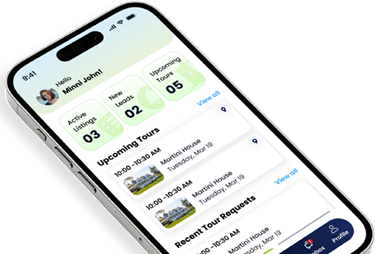
Download the InstaShow+ App
Find everything you need for buying, selling and renting property in the InstaShow+ App!