Cart
Cart


Which Smart Locks Support Guided and Self-Guided Property Tours?
This guide explains how guided and self-guided tours differ, what technical requirements matter most, and why centralized tour management platforms play a critical role in making these integrations work at scale.

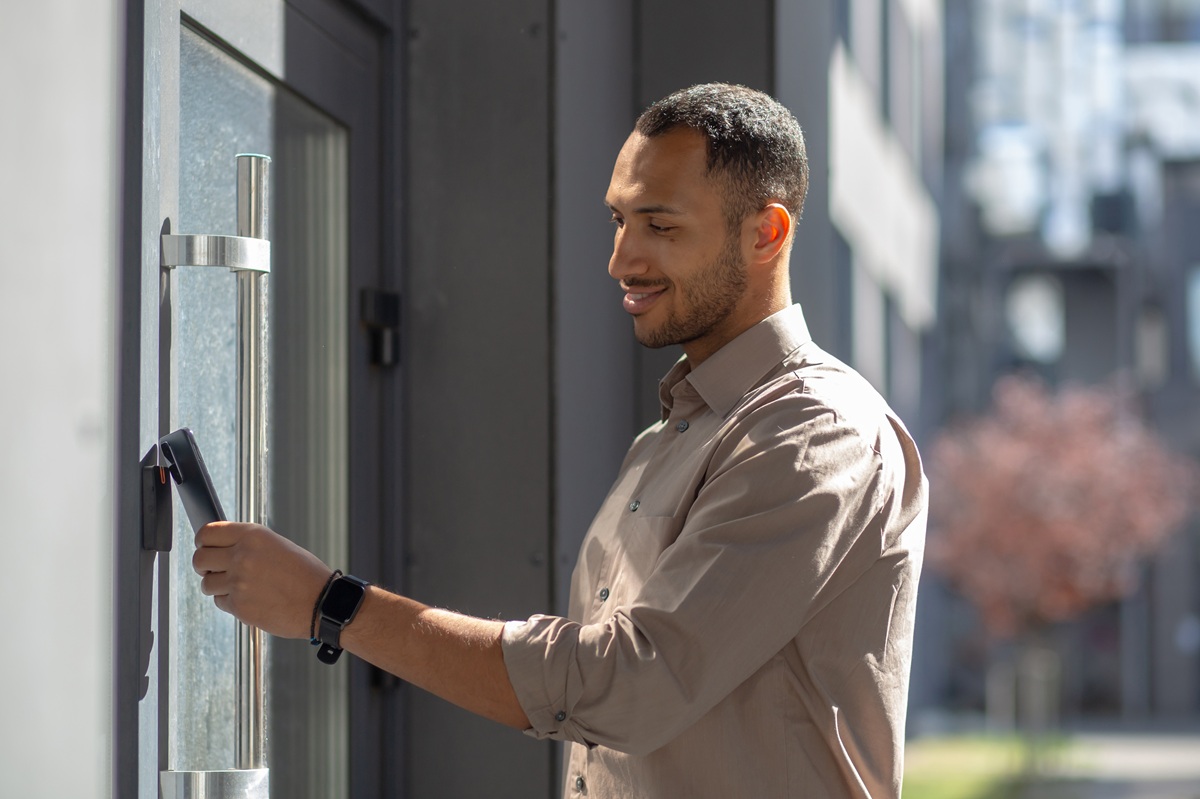
Smart lock technology is becoming a standard part of modern property tours. As demand grows for flexible showing options, many teams want systems that support both guided and self-guided tours. The challenge is that not every smart lock integration is built to handle both securely. Understanding which smart lock integrations support both guided and self-guided tours requires looking beyond the hardware itself and focusing on how access is managed.
What’s the Difference Between Guided and Self-Guided Tours?
Before comparing integrations, it helps to clarify how these tour types work in practice. While both rely on controlled access, the operational needs are very different.
Guided Tours
Guided tours are agent-led and scheduled in advance. The agent is present at the property and responsible for access, timing, and oversight. Smart locks used for guided tours typically allow remote unlock or scheduled access tied to the agent’s credentials.
These tours require coordination between the agent, the prospect, and the property schedule. Access control needs to be precise, but the agent is still on site to supervise entry.
Self-Guided Tours
Self-guided tours allow unaccompanied access, usually for vacant properties. Prospects verify their identity, receive temporary access, and tour the home on their own.
Since no agent is present, self-guided tours require stricter controls. Access must be time-bound, logged, and easy to revoke. Many smart locks support this scenario only when paired with the right software.
Core Requirements for Smart Locks That Support Both Tour Types
Not all smart locks are designed to handle both guided and self-guided workflows. The key difference is not the lock itself, but how access is issued, monitored, and revoked.
Below are the core requirements that allow a single lock integration to support both tour types effectively.
- Time-bound, tour-specific access credentials
- Secure remote unlock through an approved platform
- Identity verification before granting access
- Detailed audit trails and access logs
- Instant access revocation if plans change
These capabilities ensure that access is limited to the right person, at the right time, for the right reason. Without them, teams often end up managing guided and self-guided tours with separate tools.
Smart Lock Integrations Commonly Used in Real Estate
Smart locks used for property tours generally fall into a few broad categories. The category matters less than how well the lock integrates with tour management systems.
Residential Smart Locks for Rentals
Many residential smart locks are designed for single-family rentals and small portfolios. They often support temporary codes or mobile unlock.
On their own, these locks may handle one tour type well but struggle to support both without added software controls.
Commercial-Grade Smart Locks for Multifamily
Multifamily properties often use commercial-grade locks that support centralized control and detailed access logs. These locks are more likely to support complex workflows, but they still rely on integrations to manage tour-specific access.
The lock provides the security layer. The integration provides the operational logic.
Bluetooth vs. Cloud-Connected Locks
Bluetooth locks rely on proximity and local device connections. Cloud-connected locks allow remote management and real-time updates.
For teams running both guided and self-guided tours, cloud-connected locks are generally easier to manage at scale. They allow access to be issued, monitored, and revoked without being physically on site.
Why Integration Quality Matters More Than Brand
Focusing on lock brands alone often leads to fragmented workflows. Even a high-quality lock cannot manage tour scheduling, identity checks, or access rules by itself.
Strong integrations connect the lock to the rest of the showing process. This is what makes dual tour support possible.
Why Centralized Tour Management Is the Missing Layer
Smart locks control doors. They do not manage tours. This gap is where many teams run into problems.
What Smart Locks Do Not Manage
A lock does not decide who should have access, when access should start, or how long it should last. It also does not coordinate agents, prospects, or property availability.
Without a centralized system, teams are forced to manage these steps manually.
How Centralized Platforms Fill the Gap
Centralized tour management platforms handle the operational side of showing management. They connect scheduling, identity verification, and access orchestration into one workflow.
This allows teams to:
- Schedule guided and self-guided tours in one system
- Verify identities before issuing access
- Assign the same lock to different tour types
- Maintain consistent audit logs across all tours
By acting as the control layer, centralized platforms make it possible to use one smart lock integration for multiple tour scenarios.
Supporting Both Tour Types from the Same Lock
Supporting guided and self-guided tours from the same lock requires more than basic access control. The system managing the lock must understand who is accessing the property, why they are there, and how long access should last.
For guided tours, the platform can link access to the scheduled appointment and the assigned agent. The agent unlocks the door through the system at the time of the tour, and access ends when the showing is complete. This keeps entry tied to an active appointment instead of a standing code.
For self-guided tours, the same lock can issue time-limited credentials only after identity verification is complete. Access is restricted to a defined window and automatically expires once the tour ends. Every unlock is logged, and access can be revoked immediately if plans change or a concern arises.
Choosing the Right Smart Lock Integration Strategy
Selecting the right approach means evaluating how the lock and platform work together. The goal is to avoid point solutions that only solve part of the problem.
Questions to Ask Vendors
Before committing to a smart lock or showing platform, teams should ask vendors specific questions about how access is managed across different tour types:
- How does the system issue access for guided tours versus self-guided tours?
- Are access credentials tied to a specific tour, date, and time window?
- What identity verification steps are required before access is granted?
- Can access be revoked immediately if a tour is canceled or a concern arises?
- Does the platform provide a complete audit log of every unlock event?
These questions help teams move beyond lock features and evaluate whether an integration can support secure, scalable tour workflows as showing volume and complexity increase.
Planning for Future Growth
Tour workflows often become more complex over time. What works for a small portfolio may not scale across multiple markets or property types.
Choosing integrations that support centralized control helps future-proof operations and reduce the need for constant tool changes.
Avoiding Fragmented Tools
Using separate systems for scheduling, access, and verification increases risk and manual work. Integrated solutions reduce handoffs and improve consistency across tours.
Put Smart Lock Integrations to Work with InstaShow+
The real question is not just which smart lock to use, but which integration strategy supports both guided and self-guided tours securely. Smart locks are a critical piece of the puzzle, but they are only effective when paired with centralized tour management.
By focusing on integration quality, access controls, and scalable workflows, landlords and agents can support flexible tour options without compromising security.
If you want to see how guided and self-guided tours can be managed through one secure, centralized platform, schedule a demo with InstaShow+. You’ll see how smart lock integrations, access controls, and tour workflows come together to support safer, more efficient property showings at scale.
Stay up to date
Get the latest articles delivered to your inbox




Maximize your day in real estate with InstaShow+
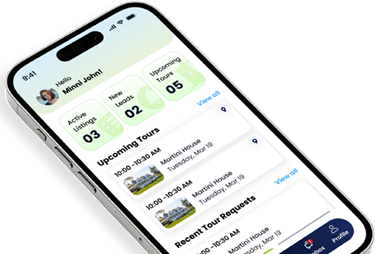
Download the InstaShow+ App
Find everything you need for buying, selling and renting property in the InstaShow+ App!